
- Email: jigar211290@gmail.com

Dr. Jigar Desai | Published: July 2025 | 8 min read
Frozen Shoulder (Adhesive Capsulitis): Symptoms, Causes & Treatment
Frozen shoulder, also known as adhesive capsulitis, is a painful condition that limits shoulder movement. This guide explains the causes, symptoms, treatment options, and step-by-step recovery plan to help restore mobility and prevent long-term stiffness.
Key Takeaways on Frozen Shoulder
- Frozen shoulder causes stiffness, pain, and restricted shoulder mobility.
- It commonly develops after injury, surgery, or prolonged immobilization.
- Treatment includes physiotherapy, medications, and in some cases, arthroscopic release.
- Recovery can take several months, with full mobility restored gradually.
What is Frozen Shoulder?
Frozen shoulder is a condition where the shoulder capsule becomes inflamed and thickened, restricting movement and causing pain. It often develops gradually and goes through three stages: freezing, frozen, and thawing. This condition is most common in adults aged 40–60 and can be triggered by injury, surgery, or systemic conditions like diabetes.
Early diagnosis and proper physiotherapy are crucial for faster recovery. Untreated frozen shoulder can take years to resolve and may result in permanent stiffness.
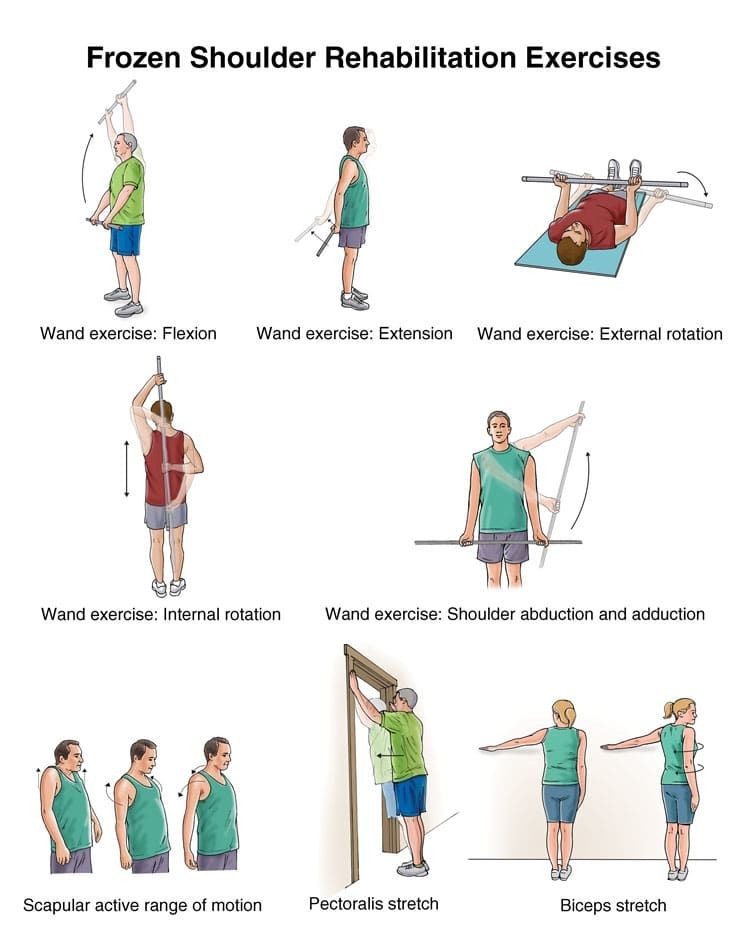
Step-by-Step Frozen Shoulder Recovery Plan
Step 1
Diagnosis & Assessment
Physical exam and imaging (X-ray/MRI) confirm frozen shoulder stage.
Step 2
Pain Management
Anti-inflammatory medications, ice therapy, and gentle stretching.
Step 3
Physiotherapy & Exercises
Progressive range-of-motion and strengthening exercises improve mobility.
Step 4
Advanced Treatment (If Needed)
Steroid injections or arthroscopic release for severe cases.
Frozen Shoulder FAQs
Frozen shoulder can take 6 months to 2 years to fully
recover.
Early physiotherapy significantly speeds up the healing process.
Yes, most cases improve with non-surgical treatments like physiotherapy,
stretching, and pain management. Surgery is only needed in severe or
persistent cases.
Related Shoulder & Orthopedic Articles
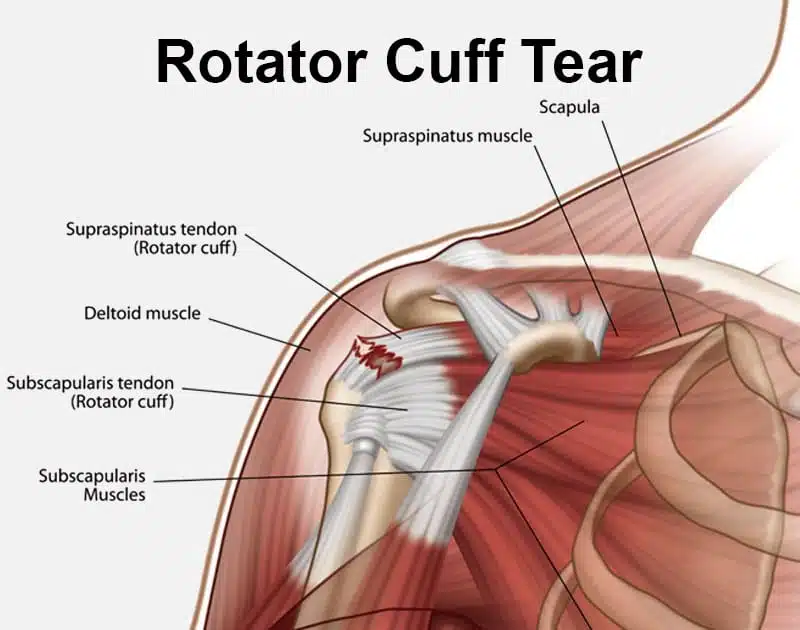
Rotator Cuff Tear
Learn about shoulder tear symptoms, surgical and non-surgical treatments.
- ✔ Shoulder rehab exercises
- ✔ Recovery timeline
- ✔ Pain management tips

Sports Injuries Recovery
Comprehensive guide to preventing and treating common sports injuries.
- ✔ RICE method explained
- ✔ Physiotherapy and rehab plans
- ✔ Injury prevention strategies
Joint Preservation
Maintain shoulder and joint health with physiotherapy and non-invasive treatments.
- ✔ Pain-free movement tips
- ✔ Preventive care strategies
- ✔ Early treatment benefits