
- Email: jigar211290@gmail.com
15+ Years Treating Knee Pain & Conditions
Knee Pain Specialist
Chondromalacia Patellae – Diagnosis & Relief
Experiencing pain behind the kneecap, grinding, or stiffness during movement? Dr. Jigar Desai offers expert care for Chondromalacia Patellae, helping you reduce pain, inflammation, and improve patellar tracking.
-
Comprehensive Evaluation
Clinical exam and imaging (X-ray/MRI) to assess cartilage damage and kneecap alignment.
-
Non-Surgical Management
Includes physiotherapy, taping techniques, anti-inflammatories, and activity modification.
-
Surgical Intervention (If Needed)
Arthroscopic smoothing, realignment, or cartilage restoration for severe or persistent cases.
Say Goodbye to Knee Cap Discomfort
Book an appointment with Dr. Jigar Desai and take the first step toward healthy knees.
Schedule ConsultationStatistics
Chondromalacia Patellae Cases Treated by Dr. Jigar Desai
Expert diagnosis and treatment for Chondromalacia Patellae — a condition that causes pain under the kneecap due to cartilage softening. Dr. Jigar Desai blends clinical precision, physiotherapy, and minimally invasive interventions to restore comfort and functionality.
0+
Chondromalacia Cases Handled
0+
Years of Knee Expertise
0+
Non-Surgical Success Stories
0%
Patient Recovery Satisfaction
Comprehensive Guide to Chondromalacia Patellae
Learn about the causes, symptoms, diagnosis, and treatment strategies for Chondromalacia Patellae. Expert insights from Dr. Jigar Desai to relieve kneecap pain, improve joint tracking, and promote long-term joint health.
1) Common Symptoms
- Anterior knee pain, especially when climbing stairs or squatting
- Grinding or cracking sensation behind the kneecap
- Pain after prolonged sitting (theater sign)
- Swelling around the patella
- Discomfort while kneeling or bending the knee
- Sensation of knee stiffness or tightness
2) Causes & Risk Factors
- Overuse from running, jumping, or repeated bending
- Abnormal patellar tracking or misalignment
- Muscle imbalances around the knee
- Flat feet or poor lower limb biomechanics
- Previous patellar dislocations or trauma
- Adolescent growth spurts and sports-related strain
3) Treatment Options
- Strengthening exercises for quads and hip stabilizers
- Activity modification to reduce joint stress
- Anti-inflammatory medications or topical analgesics
- Patellar taping or bracing for alignment
- Arthroscopic smoothing in chronic cases
- Chondroprotective supplements (as advised)
4) Activities to Avoid During Recovery
- Deep squats or lunges without supervision
- Running on hard surfaces or inclines
- Jumping or plyometric exercises prematurely
- Prolonged sitting with bent knees
- High-impact sports before full rehab
- Ignoring early pain signs during activity
5) Prevention Tips
- Regular quad and glute strengthening
- Warm up thoroughly before exercise
- Use orthotics if flat feet are present
- Avoid excessive kneeling or stair climbing
- Maintain flexibility in hamstrings and calves
- Gradually increase training intensity
6) Diagnostic Tools
- Clinical patellar tracking tests
- MRI to assess cartilage softening
- X-rays for joint alignment evaluation
- Functional movement analysis
- Video analysis for gait and posture
- Apprehension and grind test (Clarke’s test)
7) Supportive Therapies
- Ice therapy to reduce inflammation
- Ultrasound or laser therapy for tissue healing
- Patellar taping for realignment and support
- Manual therapy to reduce patellar tension
- Stretching tight lateral structures
- Postural correction and ergonomic guidance
8) Rehabilitation & Strength Recovery
- Closed chain exercises like mini squats
- Resistance band strengthening for hips and thighs
- Step-downs and controlled lunges
- Proprioceptive and balance exercises
- Supervised low-impact cardio (e.g., cycling)
- Routine follow-ups to monitor progress
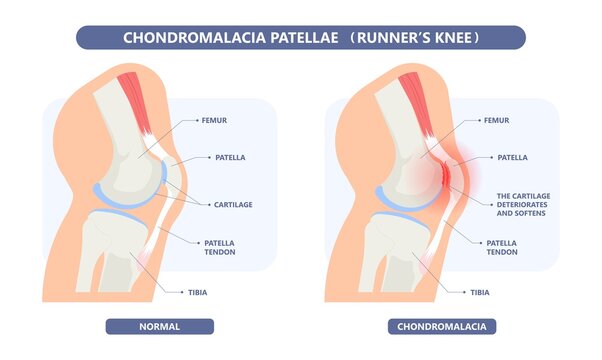
Consult for Chondromalacia Patellae
Experiencing pain behind the kneecap, especially when climbing stairs or sitting for long periods? Dr. Jigar Desai offers advanced diagnosis and effective treatment for Chondromalacia Patellae, including rehab, physiotherapy, and surgical guidance when necessary.
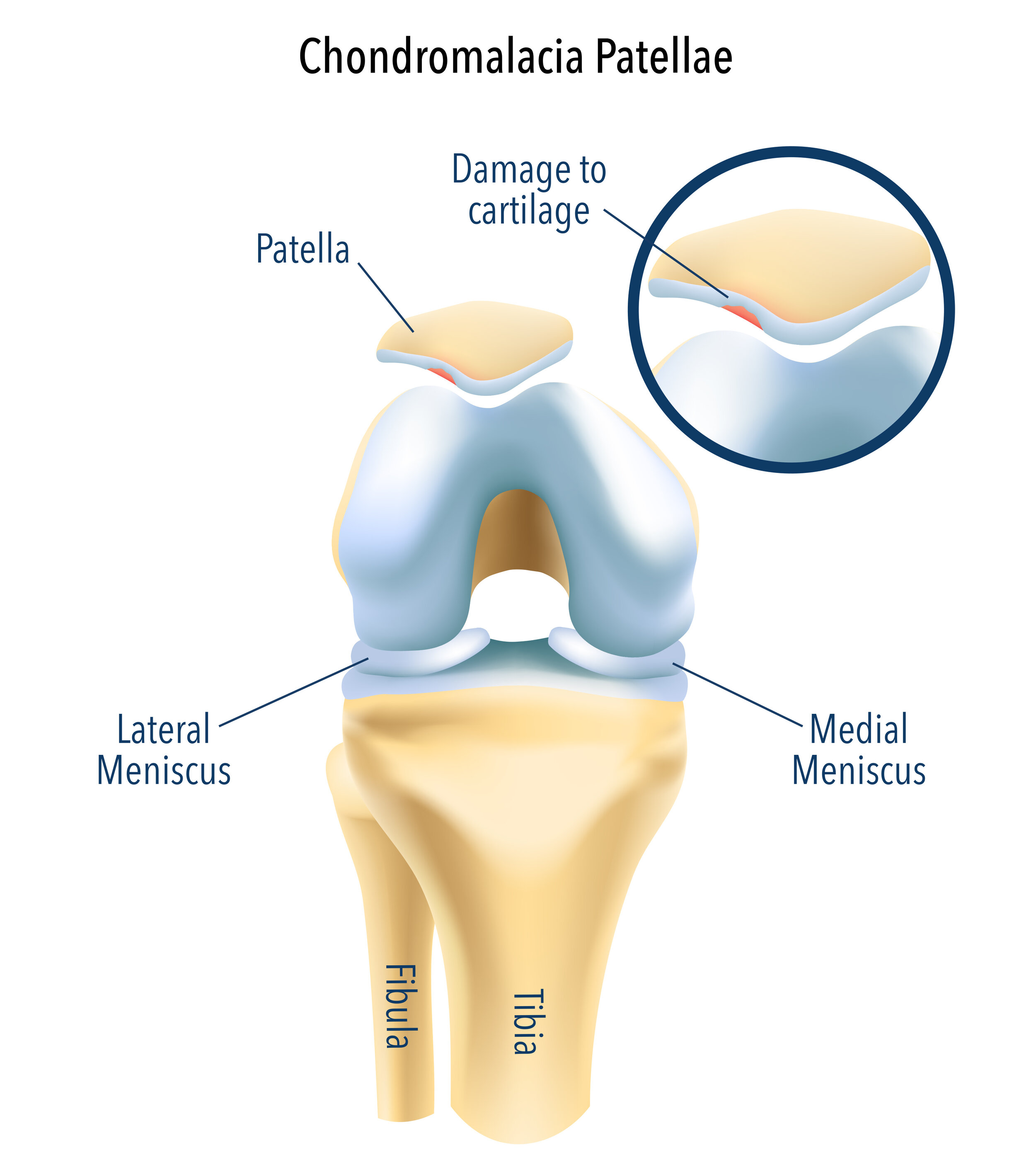
Chondromalacia Patellae Care – Dr. Jigar Desai
Experiencing pain at the front of your knee, especially when climbing stairs or sitting for long periods? It might be Chondromalacia Patellae, also known as "runner’s knee". With 15+ years of orthopedic experience, Dr. Jigar Desai provides effective, non-surgical and advanced solutions to restore knee comfort and mobility.
- • Accurate diagnosis using clinical evaluation and imaging
- • Tailored physiotherapy to reduce patellar stress and strengthen quadriceps
- • Activity modifications and ergonomic correction advice
- • Use of supportive braces, taping techniques, and pain management
- • Surgical intervention only in severe cartilage damage cases
Why Choose Dr. Jigar Desai?
Chondromalacia Patellae – Questions & Answers
Discover the causes, symptoms, and advanced treatments for Chondromalacia Patellae, commonly known as runner’s knee. Dr. Jigar Desai provides personalized care to relieve pain and restore optimal knee function.
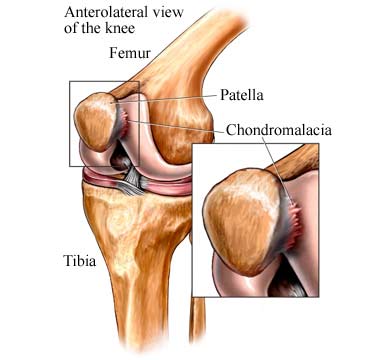
Dr. Jigar Desai specializes in treating Chondromalacia Patellae using non-surgical and minimally invasive techniques. His goal is to reduce pain, improve knee tracking, and prevent further cartilage damage for lasting mobility.
Chondromalacia Patellae is a condition where the cartilage on the
underside of the
kneecap
softens and deteriorates, causing pain, especially when climbing stairs,
squatting, or
sitting for long periods.
It’s commonly caused by poor kneecap alignment, overuse, muscle
imbalances, prior
injury,
or structural abnormalities in the knee joint that increase pressure on
the patella.
Symptoms include dull, aching pain at the front of the knee, especially
during stair
climbing, kneeling,
prolonged sitting, or physical activity involving knee bending.
Diagnosis involves a detailed clinical examination, along with imaging
tests like X-rays
or MRI scans
to evaluate cartilage damage and kneecap alignment issues.
Treatment may include rest, physiotherapy, strengthening exercises,
anti-inflammatory
medications,
and in some cases, arthroscopic surgery to smooth or realign the
kneecap.
You can book a consultation through the clinic’s official website or by
calling
directly.
Early diagnosis and expert care help prevent chronic pain and promote
faster recovery.